Agenda

Provisional Programme

The provisional programme is provided below.

More information about the topics and the 12 thematic groups (streams) is available in the
About section.

We reserve the right to make changes to the programme.

  • 10.00 - 11.30


    (sessions running in parallel)

    ISLSSL Executive Committee Meeting

    (in person and online)

    Preparing poster sessions

    Young Scholars’ (ELLYS) Section

    (9.00 – 13.00)

  • 11.30

    Coffee break

  • 12.00 - 13.00


    (sessions running in parallel – continuation)

    ISLSSL Executive Committee Meeting

    (in person and online)

    Preparing poster sessions

    Young Scholars’ (ELLYS) Section

    (9.00 – 13.00)

  • 16.00

    Reception at the Ljubljana City Hall

    (By invitation only)

  • 18.00

    Congress registration

  • 19.00

    Official opening of the Congress

    Opening speeches:

    • Prof Miro Cerar, Dean, Faculty of Law, University of Ljubljana
    • Prof Gregor Majdič, Rector, University of Ljubljana
    • Dr Nataša Pirc Musar, President of the Republic of Slovenia
    • Prof Jean Michel Servais, President ISLSSL
    • Prof Grega Strban, Head of the Congress Scientific Committee
  • 19.30

    Welcome cocktail

  • 8.45

    Room 1 (TBA)

    Welcome Address

    Luka Mišič (University of Ljubljana)

  • 9.00 - 10.30

    Room 1 (TBA)

    Panel 1, T: Social Law, Governance and Due Diligence

    Just Transition Between Due Diligence Obligations, Decent Work, and Sustainable Development Goals
    Antonio Capasso (Mercatorum University)
    Transformations of Labour Law in Sustainable Corporate Governance: Mandatory Due Diligence, Social Compliance, and Emerging Employment Risks in Global Value Chains
    Stefania D’Aprile (Mercatorum University)
    Chain Liability and Due Diligence in Posting and Subcontracting as Structural Responses to Organised Social Fraud in Europe
    Zeger Vannieuwenhuyze (Ghent University)
    Workers’ Protection in the Transfer of Large Insolvent Undertakings: The Controversial Alitalia-ITA Airways Case
    Paola Rosa (Mercatorum University)
    Subcontracting Chains and the Protection of Posted Workers in the EU: Structural Gaps and Regulatory Solutions
    Tena Konjević (Central European Academy, University of Osijek)
  • 9.00 - 10.30

    Room 2 (TBA)

    Panel 1, T: Labour Migration, and Selected Issues of Social Protection

    When Regular Entry Produces Irregularity: The Paradox of Italy’s Legal Framework on Labour Migration
    Rita Daila Costa (University of Palermo)
    Regional Labour Migration and Social Security Portability: Comparative Insights from the European Union
    Kyle David Mouton (University of Johannesburg)
    Legal Position of Young Graduates Through the Lens of Polish and Czech Legislation
    Norbert Richter-Sitko (University of Miskolc)
    Assessing Youth Employment Policies in Romania Under Articles 4 and 8 of the ECHR: A Human Rights Perspective
    Zsófia Papp (University of Miskolc)
    The BIG Debate: How South Africa and Slovenia View a Basic Income Grant
    Suhail Vawda (University of Johannesburg)
  • 10.30

    Coffee break

  • 11.00 - 13.30

    Room 1 (TBA)

    Panel 2: Digital Work, Supervision and Legal Protection

    Subordination in the Digitalised World of Work – Strategies Against Dehumanisation
    Nic Frei (University of Basel)
    The Erosion of the ‘Habitual Place of Work’: Jurisdiction and Applicable Law in the Era of the Digital Workplace
    Veronika Kořínková (Charles University)
    Employee Liability Under Algorithmic Management: Fault, Control, and Risk Allocation in Digitally Organised Work
    Damla Kaynar Kiroğlu (Hacettepe University)
    Atypical Collective Actions and Living Social Law: Rethinking Collective Self-Protection in Fragmented Legal Systems
    Andrea Francesco Greco (University of Siena)
    Labour Law at the Crossroads of Digitalisation: Restoring Collective Bargaining Power in the Platform Economy
    Csaba Szabo (Central European Academy, Sapientia University of Transylvania)
  • 11.00 - 13.30

    Room 2 (TBA)

    Panel 2: Social Rights, Equality and Vulnerability

    Reasonable Accommodation and Workers’ Dismissal in the European Union: A Comparative Approach
    Gianluca Giampà (Sapienza University of Rome)
    Participation Mechanisms and Psychosocial Risk Prevention: With a Special Focus on Transgender Workers
    Umberto Izzo (Sapienza University of Rome)
    Structural Vulnerability of Worker-Members in Worker Cooperatives and Occupational Risk Prevention
    Natalia Alcaraz Manzanares (University of Almería)
    Heat, Health and Hazards: Reworking Labour Law for a Hotter World
    Samantha Smith (University of Johannesburg)
    From Prostitute to Personnel
    Roel Van den Bossche (Ghent University)
    Between Pay Secrecy and Transparency: Challenges Related to the Implementation of the EU Directive 2023/970 on the Example of Poland
    Krzysztof Jajor (University of Warsaw)
  • 8.00

    Congress registration

  • 9.00 - 10.30

    Plenary Session: Individual Labour Law

    Stream 1: Subordination and New Forms of Organising Work

    Who Sets the Wage? Labour Law and the New Architecture of Control
    Miriam Kullmann, University of Utrecht

    Stream 2: Digitalisation and its Effects on Labour Relations

    The Right to a Human Decision
    Jeremias Adams-Prassl, University of Oxford

    Stream 3: Existence and Substance of the Employment Relation

    The Employment Relationship and the Limits of Protection: Social Justice in Cross-Border Contexts
    Ulla Liukkunen, University of Helsinki

  • 10.30

    Coffee break

  • 11.00 - 12.30

    Plenary Session: Individual Labour Law

    Stream 4: Non-Discrimination Issues

    Is prohibition of discrimination in employment still a relevant concept for labour law?
    Barbara Kresal, University of Ljubljana, Constitutional Court of the Republic of Slovenia

    Stream 5: Occupational Health and Safety

    Climate change impacts on workers’ health and safety: inequalities and vulnerable groups
    Marouane Laabbas el Guennouni, European Trade Union Institute

    Stream 6: Transformations in Labour Law

    Global, green and technological: the new faces of labour law
    Sophie Robin Olivier, University Paris 1 Panthéon Sorbonne

  • 12.30

    Lunch break

  • 14.00 - 15.30

    Parallel Breakout Sessions

    Stream 1: Subordination and New Forms of Organising Work

    Session 1: Rethinking the Worker in an Age of Invisible Management
    View session contributors
    • PÄRLI Kurt, ZÜRCHER Malika: Platform Work Regulation: Regulatory Approaches by the ILO and the EU – Comparison and Implementation in Selected Member States
    • SCHIZA Eleni: Economically Dependent Self-Employment in Platform Work: Digitalisation, Dependence, and the Limits of the Binary Employment Model
    • ÁRON Rimán: Reconceptualizing Employment Status in the Platform Economy
    • ONICA-CHIPEA Lavinia: Reconfiguring employment relations in the context of the “gig economy” and digital platform work. The impact of Directive (EU) 2024/2831 on labor law within the Romanian Legal System
    • MORAS-OLAŚ Kinga: I Presume I’m an Employee… – Challenges in Implementing the Platform Work Directive and Beyond: A Polish Law Perspective

    Stream 2: Digitalisation and its Effects on Labour Relations

    Session 1: Governing Artificial Intelligence and Protecting Labour Rights
    View session contributors
    • DE LA IGLESIA AZA Lidia: The invisible hand of the labour market: can we control de algorithm?
    • TÓTH János Jenő: The policies of the European Union concerning the effects of artificial intelligence on labour law
    • MARASSI Stefania: AI Emotion Recognition Technologies Meet Occupational Health and Safety
    • GUADAGNO Stefano: The shifting priorities of AI governance and their impact on fundamental labour rights
    • TAES Simon: Robotization and labour law: Reframing humanization of work

    Stream 2: Digitalisation and its Effects on Labour Relations

    Session 2: Human Control and Fundamental Rights in Algorithmic Workplaces
    View session contributors
    • BARŁÓG Miłosz: A New Architecture of Power? The Datification of the Mind at Work and the EU’s Shift from Risk Governance to Prohibitions
    • VOLOSEVICI Dana: Datafied Subordination and Human-Centred Work: Regulating Algorithmic Management in European Workplaces
    • VAN SCHADEWIJK Matthijs: Human in control: a new fundamental right?
    • PANAINTE Septimiu: The Fundamental Rights Impact Assessment (FRIA) limits and Worker Protection in the Algorithmic Workplace
    • POTOCKA-SIONEK Nastazja: A(I)geing at work: The Impact of AI on Ageing at Work

    Stream 3: Existence and Substance of the Employment Relation

    Session 1: Reframing Working Time
    View session contributors
    • DAVIDOV Guy: Good Faith in Contracts of Employment: Possibilities and Limitations
    • ULBER Daniel: Fundamental rights as a base for working time regulation
    • ZEKIĆ Nuna: Work, rest, and interruptions: The assumptions of CJEU underlying the case law on Working Time Directive
    • LAMBERTI Fabiola, TOSCANO Chiara: Work-Life balance beyond working hours: regulatory divergence and the right to disconnect in EU labour law
    • SENČUR PEČEK Darja: The right to disconnect in the Republic of Slovenia
    • DE BECKER Alexander: Working Time: The (Im)Possible Adaptability of Labour Law and Employment Conditions to make it more flexible

    Stream 3: Existence and Substance of the Employment Relation

    Session 2: Risks, Protection, and Termination: Core Dimensions of the Employment Relationship
    View session contributors
    • KOBROŃ-GĄSIOROWSKA Łucja, NIEĆ-MRZYGŁÓD Anna: Workplace Violence as a Legal Risk: Context, Challenges, and Preventive Approaches
    • KASIM Ceren: Addressing work-related gender-based violence and harassment: insights from the EU Directive on combating violence against women and domestic violence
    • NAPIÓRKOWSKA Anna: An employee’s illness versus termination of an employment contract
    • SHVELIDZE Zakaria: From Courts to Arbitration: Rethinking Individual Termination Disputes in Georgia
    • STÖHR Alexander: Notification of collective redundancies: The decisions of the ECJ ‘Sewell’ and ‘Tomann’ and their implication for companies and the various Member States

    Stream 4: Non-Discrimination Issues

    Session 1: Equal Pay and Pay Transparency
    View session contributors
    • KOVACS Erika: Beyond the Formal Employer: Structural Obstacles to Equal Pay
    • KOMENDOVÁ Jana: The Notion of Wage for the Purpose of Equal and Transparent Remuneration
    • BUBLIENE Raimonda, MAČERNYTĖ-PANOMARIOVIENĖ Ingrida: Intersectional Discrimination and Equal Pay
    • TOMŠEJ Jakub, PŘENOSILOVÁ Lucie: Does the Pay Transparency Directive Work for Agency Workers? Placing Responsibility Where Decisions Are Made
    • RATAJ Primož: Pay transparency and equal pay for equal work or work of equal value between men and women: background, transposition, reception
    • ZILLI Anna, YUE Fulan, CLERIDOU Christiana: Pay Transparency as a Stress Test for Wage Governance: Transposition, Delay and External Models

    Stream 4: Non-Discrimination Issues

    Session 2: Migrant Workers and Labour Market Integration
    View session contributors
    • FLORCZAK Izabela: Beyond Equal Treatment: Structural Inequalities and Systemic Risk in the Labour Market Integration of Migrant Workers in Europe
    • SOLYMOSI-SZEKERES Bernadett, JAKAB Nóra: (Un)equal Integration: Legal and Institutional Aspects for Third-Country Workers in Hungary and Poland
    • SZYPNIEWSKI Michał: Between the Right to Work and Market Regulation – Employment of Foreign Nationals in a Multicentric Legal System
    • FERRARA Maria Dolores: Cross-border work in the Upper Adriatic area: the European Union’s legal framework and critical empirical issues
    • TOMASZEWSKA Monika: Non Discrimination and Psychosocial Safety at Work: Towards an EU and National Law Framework

    Stream 5: Occupational Health and Safety

    Session 1: Evolving Risks at Work
    View session contributors
    • VAN GEEN Alena: Making the Green Transition Socially Just in Construction: Occupational Safety and Health Perspectives
    • CENTAMORE Giulio: Adapting labour law to climate change: a comparative analysis of health and safety legislation in relation to heat stress and heatwaves
    • ORTIZ María Dolores: Building Protection in the Climate Era: Towards a European Directive on Occupational Heat Stress
    • SBERNA Giulia, DI ROSA Giulia: Reasonable accommodation for workers with disabilities: challenges in digital environment
    • CASALINO Anna: Sports Work and Hyperandrogenism – Labour law notes on the ruling of the Grand Chamber of the European Court of Human Rights in the case Caster Semenya v. Switzerland

    Stream 6: Transformations in Labour Law

    Session 1: Decent Work and Corporate Responsibility in Global Value Chains
    View session contributors
    • BASSOTTI Martina, VELLUTI Samantha: Advancing decent work in the fishing supply chain to eliminate abusive practices
    • BELLOMO Stefano: Corporate Social Responsibility, Competition Law and Workers’ Protection: Insights from the Enforcement Practice of the Italian Competition Authority
    • CARTA Cinzia: The right to refuse ‘unsustainable’ work in the global value chains: an EU perspective
    • MEŠTROVIĆ Ivana: What Makes a Labour Standard ‘Fundamental’? Origins, Meaning and Testing Criteria for Potential Expansion in Corporate Sustainability Regimes
    • VLĂSCEANU Ana-Maria: Intra-Group Employee Lending and Transnational Posting of Workers: Corporate Mobility, Letter-Box Companies and the Limits of EU Labor Law

    Stream 6: Transformations in Labour Law

    Session 2: Climate Change and the Future of Work
    View session contributors
    • COPPOLETTA Sebastian, RODRÍGUEZ Emma: Environmental leave, green reskilling and climate collective bargaining: pillars for a just ecological transition in Europe
    • VINKOVIĆ Mario: Climate Change and the Transformation of Labour Relations – a view from a (Central) European perspective
    • YILMAZ Alper: Reducing Carbon Emissions in Workplaces: Employee-Centered Approaches, Incentive Systems, and Organizational Transformation
    • WROCŁAWSKA Tatiana: Redefining working age in the modern world of work: seeking a balance between axiology and legal instruments
    • LAABBAS EL GUENNOUNI Marouane, NOVITZ Tonia: Climate change impacts on workers’ health and safety: inequalities and vulnerable groups

  • 15.30

    Coffee break

  • 16.00 - 17.30

    Parallel Breakout Sessions – continuation

    Stream 1: Subordination and New Forms of Organising Work

    Session 2: The Disappearing Coordinates of Labour Law: Employer, Workplace, Worker
    View session contributors
    • PERULLI Adalberto: Subordination and autonomy: still a dichotomy?
    • EL FOUNTI Sufian: Subordination Beyond Borders: Labor Control in Global Supply Chains
    • GREDKA-LIGARSKA Iwona, BARAŃSKI Michał: Precarious work of children in the light of the sharenting phenomenon
    • BJELINSKI RADIĆ Iva, VUKOREPA Ivana: The Student Work Phenomenon in Croatia: Labour and Social Security Law Concerns
    • FERNÁNDEZ VILLAZÓN Antonio Luis: The Material Scope of the Temporary Agency Work Directive and Its Impact on National Subcontracting Regimes: Evidence from Spain

    Stream 2: Digitalisation and its Effects on Labour Relations

    Session 3: Managing Employee Data in the Age of Artificial Intelligence
    View session contributors
    • ESHET Edo: AI in the workplace: toward adopting an employer’s nondelegation doctrine
    • RYCAK Magdalena: AI in Recruitment: Employer Obligations under the GDPR and the AI Act
    • KRAUSE Rüdiger: Employee Data Protection between Interpreting the Law and Making the Law
    • LOPEZ AHUMADA José Eduardo: Enhanced Privacy in the EU: From Mandatory Transparency to Smart Data Minimization under the AI Act

    Stream 2: Digitalisation and its Effects on Labour Relations

    Session 4: Labour Law Responses to Technological Change
    View session contributors
    • PASHAYEV Araz: On the issue of legal regulation of remote work in the Republic of Azerbaijan
    • RIVERA SANCHEZ Juan Ramón: Termination of the employment contract in the context of productive automation and artificial intelligence
    • ESCANDÓN Juan Fernando: Humanizing Digital Era
    • CHARRUTTI GARCÉN Maria del Luján: Digital labor rights: A study of the limits to corporate power
    • AVOGARO Matteo: Monitoring and gamification: a cross-cutting OHS-based approach to tackling misuse of employees’ behaviour-shaping AI tools in the EU

    Stream 3: Existence and Substance of the Employment Relation

    Session 3: Boundaries of Working Time and Private Life
    View session contributors
    • TORRES GARCÍA Bárbara: Rethinking the right to digital disconnection: challenges and reform
    • KÁRTYÁS Gábor: Travel time as working time
    • ZAMPIERI Giovanna, FORTUNA Lucrezia: Caring for others, caring at home: work–life balance rights in the care sector
    • MĘDRALA Małgorzata: The boundaries between working time and private time – some remarks on the basis of Polish labour law
    • GRGUREV Ivana: The Role of EU Directives and the CJEU in Addressing the Motherhood Penalty

    Stream 3: Existence and Substance of the Employment Relation

    Session 4: Wages, Transparency, and Fair Remuneration in the Employment Relationship
    View session contributors
    • GHEORGE Monica: From Wage Confidentiality to Wage Transparency: Rule of Law Implications of Directive (EU) 2023/970 in Legal Systems Where Wage Confidentiality Is Protected
    • LANTARÓN BARQUÍN David, MOCELLA Marco: Minimum Wage and Living Wage: A Regional Perspective
    • LATOS-MILKOWSKA Monika, CARDIELL Lucas: Digital Platform Workers, their Right to Decent Remuneration, and Artificial Intelligence – A European Perspective
    • MARINELLI Massimiliano, DENTICI Lorenzo Maria: ECHR and the Italian Supreme Court: The Exploitation of Intellectual Workers in the Gig Economy: Boundaries and Emerging Scenarios
    • RISTOVSKI Aleksandar: Between Intervention and Autonomy: The Adequate Minimum Wages Directive’s Impact on Wage-Setting and the Living Wage Quest in North Macedonia
    • WALCZAK Krzysztof, MATUSZAK Michał: Pay Transparency Enforcement under Directive (EU) 2023/970: Normative Gaps and Implementation Challenges in Polish Labour Law

    Stream 4: Non-Discrimination Issues

    Session 3: Disability, Vulnerability, and Intersectional Discrimination in Employment
    View session contributors
    • MIRACOLINI Marcella, DE MARCO Cinzia: Algorithmic Allocation of Working Time and Indirect Discrimination: Proxy Variables, Evidentiary Regime and Multilevel Governance in European Union Law
    • VASILIAUSKIENĖ Violeta: Employment Gap for Persons with Disabilities in Lithuania: From Formal Equality to Substantive Inclusion under CRPD Article 27 and EU Equality Law
    • FRANCA Valentina: Intersectional Exclusion: Legal and Institutional Drivers of Vulnerability Among Women with Disabilities
    • FOURIE Laetitia, BARENTSEN Barend: Disability in the World of Work: Testing the Limits of Reasonable Accommodation in the European Union and South Africa in the Shadow of the CRPD
    • LEMPEN Karine: Psychosocial Disability: The Right to Reasonable Accommodations in Employment Relationships
    • GUNPUTH Rajendra Parsad, ASSOGBAVI Kossi: Workers Affected by HIV/AIDS: Pertinent Issues as to Vulnerability Rights or Right to Privacy and Testing? – The African Courts’ Approach in a Comparative Study

    Stream 4: Non-Discrimination Issues

    Session 4: Protecting Vulnerable Workers
    View session contributors
    • PETROGLOU Panagiota: Legal retaliation in the context of sexual harassment at work as gender-based discrimination
    • SKUPIEŃ Dagmara: The Protection of Domestic Workers Under CJEU Anti-Discrimination Case Law: Implications for EU and National Law
    • JASKULSKA Jagoda: Ageism and Age Discrimination in the Context of Digitalisation and Sustainable Development: The Situation of Ageing Workers in the Polish Labour Market
    • AMBRAZEVICIUTE Kristina: Age and Gender Non-Discrimination in Labour Law: Challenges for Older Working Women in the Baltic States
    • HAYAKAWA Chizuko: Enhancing Worker Well-being and the Nature of Legal Regulation: From the Perspective of Women’s Life Cycle and Physical Change

    Stream 5: Occupational Health and Safety

    Session 2: Emerging Workplace Risks in the Age of AI
    View session contributors
    • BOLOGNA Silvio, RICCOBONO Alessandro: Biometrics and AI in workplace safety: from risk governance to the protection of fundamental rights (and back)
    • TAMBURRO Livia: Human enhancement and robotics in the workplace: emerging Risks and the protection of workers’ health in “Industry 5.0”
    • HACIOĞLU ÇALIŞKAN Arzu, ERGÜNEŞ EMRAĞ Seda: Working time recording under digital strain: reframing the employer’s duty of organisation
    • BILIĆ Andrijana: Protecting Platform Workers from Psychosocial Risks: Regulatory Challenges in EU and Croatian Law
    • DE GREEF Vanessa, CÉDRIC Pierre: An AI-Based Chatbot to Support the Prevention and Management of Psychosocial Risks at Work in Belgium

    Stream 6: Transformations in Labour Law

    Session 3: Corporate Due Diligence and Labour Rights
    View session contributors
    • ANIBALLI Valentina: Adequacy of corporate organizational structures, due diligence and employment relationships: some interpretative issues based on Italian law
    • BAJO Irene: Work-force at the voluntary sustainability reporting for small and medium-sized undertakings, and its conexion to CSRD and ESRS
    • MOCELLA Marco, MARTINS DOS SANTOS BENEVIDES Camilla: Living Wages in Supply Chains: The Role of Codes of Conduct and ESRS
    • TORBUS Urszula: Realising the CSDD Directive: Enforcing Labour Rights in Global Supply Chains
    • BUENO Nicolas: Living Wages Due Diligence in Global Value Chains: Emerging Obligations for Multinational Enterprises

    Stream 6: Transformations in Labour Law

    Session 4: The ICESCR and Labour Rights in Europe
    View session contributors
    • BRUUN Niklas: The interplay between the ICESCR and ILO standards – reflections from a European perspective
    • KOLLONAY LEHOCZKY Csilla: The ICESCR and Equality between men and women – recent developments
    • LÖRCHER Klaus: The influence of the ICESCR at European level
    • RIBEIRO Ana: The ICESCR and trade union rights

  • 19.30

    Gala Dinner

    (Grand Hotel Union Hall)
  • 9.00 - 11.30

    Plenary Session: Social Security Law

    Stream 7: Social Risks

    75 years of (international) social security risks: time for a reassessment?
    Yves Jorens, University of Ghent

    Stream 8: New Forms of Work Organisation and Automation of Social Security

    New forms of work and automation of social security
    Paul Schoukens, Tilburg University

    Stream 9: Universality and Adequacy of Social Security

    Access to social security as a cornerstone of social inclusion
    Ulrich Becker, Max Planck Institute for Social Law and Social Policy

    Stream 10: Supervision of the Social/Welfare State

    When social security turns against its citizens, a critical analysis of the rise of the digital welfare state
    Gijsbert Vonk, University of Groningen

  • 11.30

    Coffee break

  • 12.00 - 13.00

    Plenary Session: Collective Labour Law

    Stream 11: Diversity of Collective Bargaining and Collective Actions

    Rethinking Collective Labour Law in the Global Social Law
    Melanie Schmitt, University of Strasbourg

    Stream 12: Information, Consultation and Co-Determination

    Addressing the “Forgotten” Worker: can 20th-century tools handle the 21st-century AI?
    Felicia Catalina Roșioru, Babes-Bolyai University, Cluj-Napoca

  • 13.00

    Lunch break

  • 14.30 - 16.00

    Parallel Breakout Sessions

    Stream 7: Social Risks

    Session 1: Changing Nature of Social Risks
    View session contributors
    • STRBAN Grega: Private dispositions in social security law – altering the nature of social risks?
    • CHESALINA Olga: Social risk of caring for the elderly in need of care
    • KOLDINSKÁ Kristina: Long-term Care in Europe – A Hot Issue as the Welfare State Freezes
    • NENU Carmen: The social risk of surviving beyond the established age and old age benefits, between normative regulation and social justice

    Stream 8: New Forms of Work Organisation and Automation of Social Security

    Session 1: Reconfiguring Social Security in the Age of Digital and Non Standard Work
    View session contributors
    • DIGESER Christina: “Virtual Presence” as a connecting factor in Art 15 OECD-MA and Art 11-16 Reg(EC) no° 883/2004
    • HARDY Pénélope: Modelling the social security needs of non-standard workers. A comparative and systematic legal analysis across the European Union
    • ESEN Bünyamin: Artificial Intelligence and the Future of Welfare States: Opportunities, Risks, and Institutional Adaptations
    • BAKIRTZI Effrosyni: Revisiting EU Social Security Coordination in the Age of Digital Work: Cross-Border Telework as a Case Study
    • BAGARI Sara: From Protection to Distortion in Extending Social Rights to the Self-Employed

    Stream 9: Universality and Adequacy of Social Security

    Session 1: General access and adequacy of social security
    View session contributors
    • DE BECKER Eleni, ARANGUIZ Ane: Looking for the foundations and content of the notion of labour status neutrality: a fundamental rights and doctrinal approach
    • KOGEJ Katarina: Access to Social Security for Third-Country Nationals Posted within the EU
    • KAHALE CARRILLO Djamil Tony: The survivor’s pension and the new challenges it faces: demographic, social and labour changes
    • KOUMARIANOS Evangelos: Pension Adequacy Beyond Benefit Levels: The Duration of Retirement as a Dimension of Social Protection
    • TOPUZ Hatice Fulya: Vulnerable Workers and Social Security: The Impact of the EU Minimum Social Protection Approach on National Legal Systems

    Stream 11: Diversity of Collective Bargaining and Collective Actions

    Session 1: General issues: (new) general/global challenges for collective labour law/rights
    View session contributors
    • CAMPANELLA Piera, TUFO Marco: Industrial relations in the Italian fashion value chain
    • PEREZ DEL PRADO Daniel: Collective Bargaining and Algorithmic Management in Spain: Regulatory Innovations and Challenges
    • RUTKOWSKA Beata: Can the implementation of Directive (EU) 2022/2041 contribute to the revival of social dialogue in countries with low collective bargaining coverage? A case study of Poland
    • GOTOVAC Viktor: Trade Union Representativeness as a Gatekeeper of Collective Action in the Public Sector
    • WAAS Bernd, BRUDNEY James J: The Right to Strike and the ILO: is the Devil in the Details

    Stream 11: Diversity of Collective Bargaining and Collective Actions

    Session 2: Collective bargaining
    View session contributors
    • DORSSEMONT Filip: The role of social partners in the EU legislative process
    • CAIRÓS BARRETO Dulce María: From Corporate Social Responsibility to collective bargaining: environmental clauses in collective agreements
    • KUN Attila Sándor, PISARCZYK Lukasz: The impact of the AMWD on CEE-countries’ system of collective bargaining after the CJEU’s decision – with specific regard to Poland and Hungary
    • MURTO Jari: What is local agreement – same term different legal status
    • PISARCZYK Lukasz, MADRZYCKI Blazej: Filling the regulatory gap. The role of transnational company agreements in protecting worker rights in tech-based employment
    • POLAJŽAR Aljoša: Designing a collective bargaining system for self-employed workers – main challenges and obstacles

    Stream 12: Information, Consultation and Co-Determination

    Session 1: Worker Participation in Complex Work Relationships
    View session contributors
    • GIOVANNONE Maria, VERZULLI Veronica, SANTONICOLA Maria Laura: Protecting human rights through corporate risk management systems: what role for workers participation?
    • DIMITRIU Raluca: Transformations in the Scope of Information and Consultation in Collective Procedures
    • EDURNE Terradillos: The proposal for a new model of democracy at work in Spain as a reference model for the EU, and its relationship with the new Directive on European Works Councils
    • ZIMBILE Célia: Designed for Two, Applied to Many: Workforce Thresholds and the Bipartite Assumption in Multipartite Work Relationships

  • 16.00

    Coffee break

  • 16.30 - 17.30

    Parallel Breakout Sessions – continuation

    Stream 7: Social Risks

    Session 2: Expanding the Concept of Social Risks
    View session contributors
    • KOEN Louis, FOURIE Elmarie: Non-retrogression and the potential revocation of South Africa’s SRD grant: Lessons from the European Union
    • BERRETTA Giuseppe, GABRIELE Alessia: Worker Health and Safety and Emerging Climate Risks: Commuting Accidents between Insurance and Social Risk Dimensions
    • KARADENIZ Oğuz, KABAKCI KARADENIZ Hulya: Natural disasters and social security: an assessment from the perspective of Türkiye
    • SIPKA Péter: The principle of reasonable accommodation as an uneven tool of social security

    Stream 8: New Forms of Work Organisation and Automation of Social Security

    Session 2: From Contributions to Algorithms: Transforming Social Security Systems
    View session contributors
    • TAVITS Gaabriel: Social protection of platform workers in Estonia: new ways of financing necessary protection and collecting social security contributions
    • PÉTREMAND Sylvie, WILDHABER Isabelle: Unresolved Social Security Issues in Switzerland regarding Independent Workers and a New Unemployment Software
    • PACUD Radosław: Rethinking Social Security Rights and Automated Contributions in the Digital Economy
    • TABACU Andrea Elena: From Automation to Adjudication: Protecting Rights in AI Disability Assessments

    Stream 9: Universality and Adequacy of Social Security

    Session 2: Acess to social security for specific schemes and persons
    View session contributors
    • LUKÁCS GELLÉRNÉ Éva: Centralisation and universal access to healthcare: governance challenges and private sector dynamics in Hungary
    • RICOU CASAL Mònica: Health protection without borders: challenge
    • TÓTH Hilda, MÉLYPATAKI Gábor: Access to healthcare and Social Security in Hungary of the migrant workers in light of universal health coverage
    • MIŠIČ Luka: High-Risk Sports in Mandatory Health Insurance: Between Individual Responsibility and Social Solidarity
    • DZIENISIUK Dorota: Inclusion of LGBTQIA+ Persons in Social Insurance Law

    Stream 11: Diversity of Collective Bargaining and Collective Actions

    Session 3: Collective actions: right to strike
    View session contributors
    • BELLAVISTA Alessandro: The last action hero: the right to strike in the European Union
    • BIRGILLITO Marialaura: Salaried, Self-Employed Workers, and the Right to Collective Action: An Examination of the Case Law of the Court of Justice of the European Union and the Multilevel Judicial Dialogue
    • NEIMANIS Jānis: Human Rights and Collective Bargaining in Latvia: Multi-Union Conflicts, Employer-Influenced Organisations and Judicial Approaches to the Right to Strike
    • PETROVIĆ Mila: Nothing works: why the general strike remains unachievable in Serbia
    • SOLE-TRUYOLS Montse: The scope of collective agreements to regulate collective action: Norway and Spain compared
    • SASIAIN Diego: The fragmentation of work and the institutional challenges of collective bargaining systems in Europe

    Stream 11: Diversity of Collective Bargaining and Collective Actions

    Session 4: Collective labour law under the martial law
    View session contributors
    • KOCHER Eva: Collective labour law in times of war: ILO and EU legal frameworks
    • FEDOROVA Alla: The Right to Strike in Times of Crisis under the European Social Charter and the European Convention on Human Rights: In Light of the War in Ukraine
    • SIMUTINA Yana: Restrictions on Collective Labour Rights in Wartime Ukraine: Do They Meet the Proportionality Test?
    • YATSKEVYCH Ivan: Collective Bargaining and Social Dialogue in Time of Emergency: A Comparison of European Experiences and the Case of Ukraine

    Stream 12: Information, Consultation and Co-Determination

    Session 2: Worker Participation in Algorithmic Management
    View session contributors
    • DILENGE Michele: Algorithmic Management and Workers’ Information Rights: The Transparency Claim of Platform Workers in Light of the EU Platform Work Directive and AI Act
    • GARCÍA-FERNÁNDEZ Christian: Worker participation in AI deployment for the benefit of occupational well-being: from information to co-determination
    • GOMEZ ROMERO Miriam Judit: Algorithmic management and collective governance in platform work: a comparative analysis of Spain and Italy
    • PAPINI Giuseppina: Digital Transition and Collective Bargaining: building the Foundations for Algorithmic Governance in the Italian Public Sector

  • 18.00

    Closing of the Congress

During the Congress on Thursday and Friday, the lobby area will host the Poster, Journal & Book Presentations, featuring selected academic contributions and publications.

Thursday, 17 September 2026

Poster presentations

  • HSU Wanning, ZHONG Qi, National Taiwan University
    Individual Labour Law, Subordination and New Forms of Organising Work
    Legal Protections for Delivery Workers in Taiwan — Focusing on the Content of the Newly Enacted “Delivery Worker Rights Protection and Delivery Platform Management Act”
  • GRZEŚKÓW Małgorzata, University of Wrocław
    Individual Labour Law, Non-Discrimination Issues
    Whistleblowers at Work: Protection Against Retaliation as a Non-Discrimination Safeguard in EU and Polish Law
  • SMEJKAL Michal, Masaryk University
    Individual Labour Law, Occupational Health and Safety
    Protecting Mental Health in the Always-On Workplace: A Legal Analysis of the Right to Disconnect
  • ARGÜELLES BLANCO Ana Rosa, University of Oviedo (Spain)
    Individual Labour Law, Occupational Health and Safety
    Collective Bargaining and Reasonable Accommodation. Occupational Safety and Health as a Framework for Determining Disproportionate Burden

Journal presentation

  • COPPOLETTA Sebastian, NÚÑEZ CORTÉS Pilar
    Individual Labour Law, Subordination and New Ways of Organising Work
    Revista Derecho Social y Empresa

Book presentations

  • HUYS Aria
    Individual Labour Law, Non-Discrimination Issues
    EU Labour Law: A Commentary – A Comprehensive Resource for Research and Practice
  • RODRÍGUEZ Emma, COPPOLETTA Sebastian
    Individual Labour Law, Transformations in Labour Law
    Social Challenges in the Governance of Labour Relations: Understanding Vulnerability in Employment
  • BELLACE Janice, BRUDNEY James
    Individual Labour Law, Transformations in Labour Law
    The Law and Practice of the International Labour Organization

Friday, 18 September 2026

Poster presentations

  • SCHWERTNER Sophie, University of Salzburg
    Collective Labour Law, Diversity of Collective Bargaining and Collective Actions
    Collective Bargaining for Self-Employed: EU Law and New Legislative Framework in Austria
  • NAVAS-PAREJO ALONSO Marta, Universidad Carlos III de Madrid
    Social Security, Social Risks
    Long-term care in Spain: structural challenges and trends for improvement

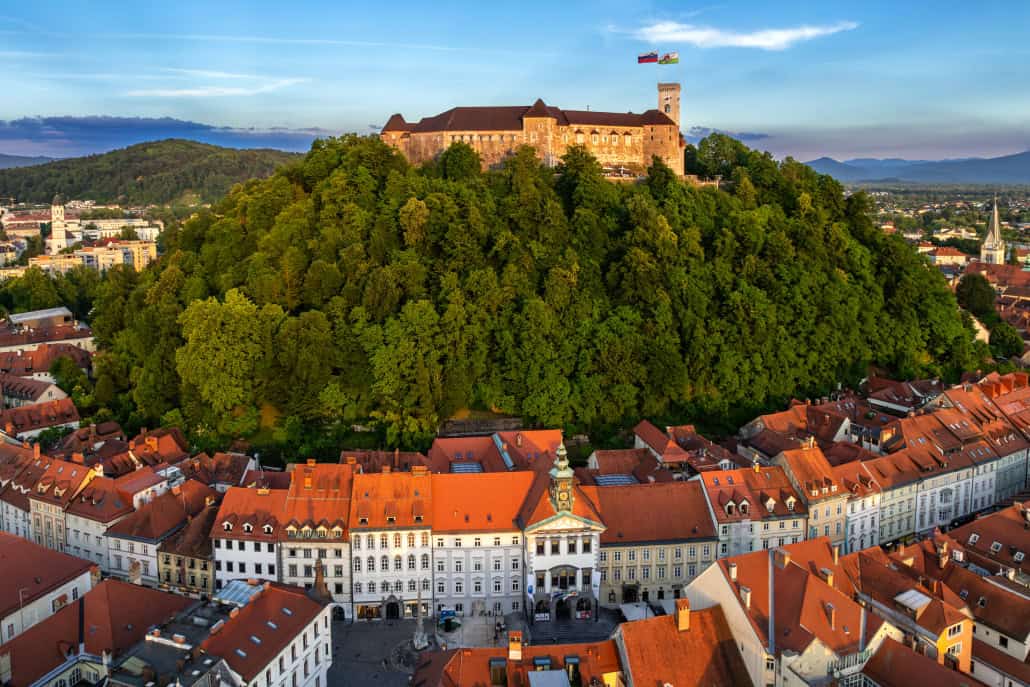
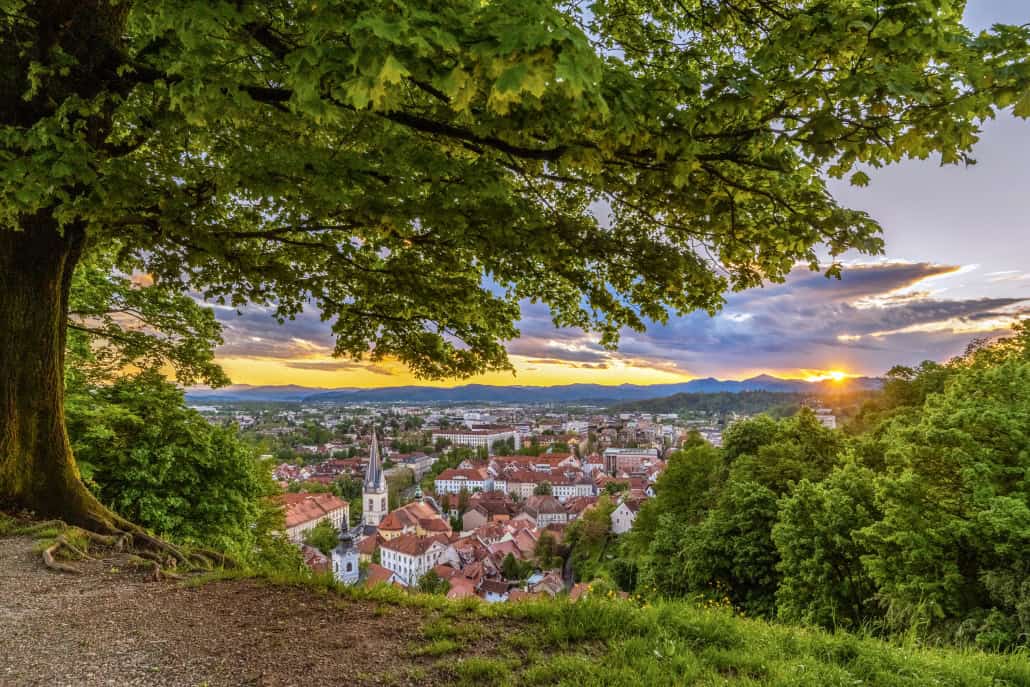
Tour of Ljubljana

From the Surface of the River Ljubljanica to the Stars Above Castle Hill

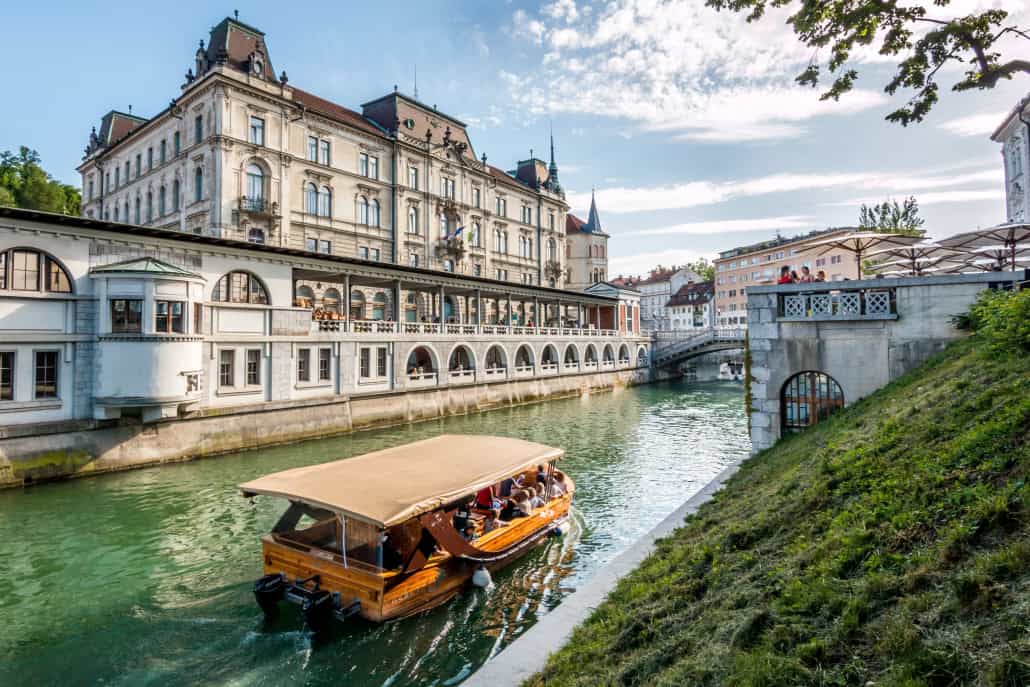
This tour of the major sights of Ljubljana includes a walk through the historical city centre, a tourist boat ride, and a visit to Ljubljana Castle.

Discovering the city of Ljubljana begins with a tourist boat ride on the Ljubljanica River, offering a unique opportunity to admire the picturesque old city centre from the river’s surface while the guide shares interesting stories about the Ljubljanica, the river of seven names. The Ljubljanica River served as the main trading and supply route from the Roman period until the introduction of the railway in the 19th century, and archaeologists consider it a river of legendary significance.

The riverbanks were designed by the renowned architect Jože Plečnik, who also designed and renovated many of Ljubljana’s most famous bridges, including Trnovo Bridge, the Shoemaker’s Bridge (Čevljarski most), and the iconic Triple Bridge.

The tour continues with a pleasant walk through the old city centre, passing its most important sights, including a short visit to the City Hall. A funicular ride then takes you to Ljubljana Castle, where the guide introduces you to the history of this medieval fortress and its importance throughout the centuries.

Price

25 € per person

Tour Information

Duration: 3 hours
Language: English
Meeting Point: Faculty of Law, Ljubljana
Time: 9:00 AM – 12:00 PM

Important Information for Registration

Registration is available for one person only per booking.
If you wish to register multiple participants, please submit a separate registration and payment for each person.
Payment is available by credit/debit card only.
A few days after successful payment, you will receive a registration confirmation for the Saturday tour by email.