About

Outline of the Congress

The XV European Congress of the International Society for Labour and Social Security Law (ISLSSL) will take place from September 16 to 18 at the Law Faculty of the University of Ljubljana, in the heart of Slovenia’s capital city. The congress’s overarching theme is “Social Europe Under Strain: Contemporary Challenges in National and European Labour and Social Security Laws.”


The working languages of the plenary sessions are English, French, and Spanish, with simultaneous interpretation provided.
Parallel sessions will be conducted in English and will not include simultaneous interpretation. However, if there is sufficient interest, individual parallel sessions may be organised entirely in French or Spanish.


For forms of participation (e.g. paper presentation, poster presentation, or participation without a presentation) and registration, see the Call for Papers and Registration pages.

The Topics to Cover

The Ljubljana ISLSSL Congress is divided into three parts and 12 groups (streams). Number 12 holds special significance in European culture. The European flag displays a circle of 12 gold stars, symbolising unity, solidarity, and harmony among European peoples. National and European labour and social security laws should support these ideals with bravery.
Therefore, we invite submissions for each of the streams listed below. You may also propose a poster or a book stand, which will be displayed at the conference premises.

Stream 1: Subordination and New Ways of Organising Work
Topics covered might include the notion of platform workers as subordinate workers (e.g., national practices, the new Platform Work Directive, and the threat of increasing precariousness), whether work under the directions and supervision of an employer remains a valid assumption, the risk of work becoming precarious (its undesirable effects and potential solutions), and the (changing) elements of labour relations (also considering ILO R198 – Employment Relationship Recommendation from 2006), among others.

Stream 2: Digitalisation and its Effects on Labour Relations
Possible topics could include supervising workers using modern technologies like wearables—ranging from a subordinate person to a subordinate ‘machine’—and collecting comprehensive personal data, from measuring work output to quantifying the worker himself. Algorithmic management has been examined in a recent OECD document (Working paper on Algorithmic management in the workplace, New evidence from an OECD employer survey), and it’s essential to consider EU law and the European Social Charter provisions. The process of concluding or terminating employment contracts might be influenced by AI-supported virtual interviews, raising questions about the decision-making criteria, whether humans or AI make choices regarding hiring or firing, and who ultimately bears the responsibility.

Stream 3: Existence and Substance of the Employment Relation
Issues related to fundamental rights and obligations arising from labour relations, such as the duty to work and the right to remuneration, could be examined. Relevant topics might include working time, which remains significant in labour relations. These topics cover aspects like the Working Time Directive, the clear separation of work and private life or their overlap, remote work, holidays, and balancing employment with self-employment, for instance, in healthcare. Other issues include the Work-Life Balance Directive, the Transparency and Predictability of Working Conditions Directive, the posting of workers, and the right to disconnect. Pay-related topics might involve the Adequate Minimum Wages Directive, the forms of payment (cash, in-kind, in-work benefits), and remuneration for public officials and civil servants, among other related issues. Additionally, it is essential to consider the extent to which private and public law elements should influence the conclusion or termination of employment contracts.

Stream 4: Non-Discrimination Issues
The principle of equality ensures justice in society but is often challenged. Topics to address include gender equality—such as increasing gender balance among directors of listed companies and related directives — and persistent gender pay gaps, as well as age and other personal circumstance-based inequalities. Additionally, non-migrant and migrant workers, whether from EU or non-EU countries (including those migrating due to climate change), may be unfairly treated in national or European labour markets without legitimate reasons.

Stream 5: Occupational Health and Safety
This frequently overlooked or separately addressed topic of OHS may involve health and safety concerns related to new working methods, emerging risks such as pandemics, telework, digitalisation, extensive worker monitoring, and cross-border health and safety services. Additionally, challenges persist in ensuring adequate health and safety for domestic workers, posted workers, subcontractors, self-employed persons, and workers exposed to climate change risks such as heat and pollution.

Stream 6: Transformations in Labour Law
Contemporary debates on labour law and social policy increasingly focus on social sustainability within the framework of the Sustainable Development Goals (SDGs). The effects of climate change on labour relations, the transformation of global supply chains, and the growing corporate responsibilities for due diligence and sustainability reporting—especially under emerging EU standards—indicate a shift towards a more comprehensive understanding of decent work. At the same time, the possibility of expanding scope of labour law presents new challenges. The drive for socially sustainable labour markets also necessitates attention in ensuring a fair transition towards green and equitable economies.

Stream 7: Social Risks
Building on insights from the Rome ISLSSL World Congress, relevant topics could include how social risk understanding has evolved across European countries—shifting from solidarity towards greater self-responsibility for all social risks, as well as reform processes examined from a comparative and European perspective. Additionally, the discussion could consider whether emerging life contingencies, such as natural disasters, have become new social risks or whether they should still be addressed by private insurance legislation.

Stream 8: New Forms of Work Organisation and the Automation of Social Security
Topics could include cross-border telework within the EU and beyond, applicable social security legislation, and reducing work precariousness through social security measures. Additionally, the increasing significance of the CFR-EU for social security and social assistance, the automation of social security and AI’s impact, and strategies to address the threat of precariousness in social security are important areas of focus.

Stream 9: Universality and Adequacy of Social Security
Topics may focus on universal access to healthcare, including experiences from European countries (UN Declaration “Universal health coverage: moving together to build a healthier world”), healthcare reforms related to various forms of access such as geographical, timely, economic, procedural, and informational access—particularly in steering patients towards private healthcare provision within Member States and across borders—and the inclusion of migrant workers in national social security schemes. According to UDHR, the right to social security should be enjoyed by everyone as a member of society, raising questions about who is considered everyone and how society is broadly or narrowly defined through a dynamic interpretation. Additionally, the topic addresses the adequacy of social security benefits and social assistance, particularly during crises, as demonstrated by the European Committee on Social Rights’ ad hoc review of the cost-of-living crisis.

Stream 10: Supervision and the Social (Welfare) State
The social state in continental Europe and the welfare state in the Anglo-Saxon legal system aim to improve people’s living conditions. However, it can sometimes be overly intrusive or even counterproductive, acting against legal norms. On the one hand, the stream is dedicated to the supervision of the social (welfare) state; on the other, the topics may cover the challenges of supervision of beneficiaries within the social (welfare) state. For instance, in the Norwegian NAV scandal, at least 80 individuals were wrongly convicted of social security fraud, and around 2,400 recipients were wrongly required to repay benefits due to misinterpretations of EEA Regulations by courts and other public authorities. Similarly, the Dutch childcare benefits scandal involved thousands of families who were falsely accused of benefit fraud and ordered to return allowances totalling tens of thousands of euros, leading to severe financial hardship. This raises the question of what kind of control mechanisms are or should be in place, and to what extent beneficiaries are obliged to reveal their personal circumstances or even follow a particular lifestyle when receiving or asking for social assistance benefits. They might range from internal state controls (like social courts and other courts of law, ombudspersons) to external controls (like social partners, i.e., trade unions and employers’ organisations, who may also be entrusted with financing and managing social insurances). At the international European level, a collective complaints procedure before the European Committee of Social Rights (according to the European Social Charter) might also serve as an example. Another issue might relate to supervision of beneficiaries and service providers, e.g. in healthcare provision.

Stream 11: Diversity of Collective Bargaining and Collective Actions
Social peace is fundamental to overall peace in society. Topics may include the scope of collective labour agreements and their cross-border applicability, transposing EU labour law directives through national collective agreements, the right to strike under national laws, and the divergent decisions of the ECHR and ECSR. For example, special emphasis may be placed on the specificity of the public sector or distinct forms of collective action within national and European law.

Stream 12: Information, Consultation and Co-Determination
Topics could include experiences with (European) work councils and EU Directives, levels of cooperation, from mere information to consultation and co-determination, specific issues for platform workers, and comparisons between countries, including the extent of social dialogue.

The XV European Congress of the International Society for Labour and Social Security Law (ISLSSL) is taking place under the Honorary Patronage of the President of the Republic of Slovenia dr. Nataša Pirc Musar.

Members of the Scientific Board

Prof. Jeremias Adams-Prassl

Law Faculty, University of Oxford

Prof. Sophie Robin Olivier

Faculty of Law, Paris 1-Panthéon-Sorbonne
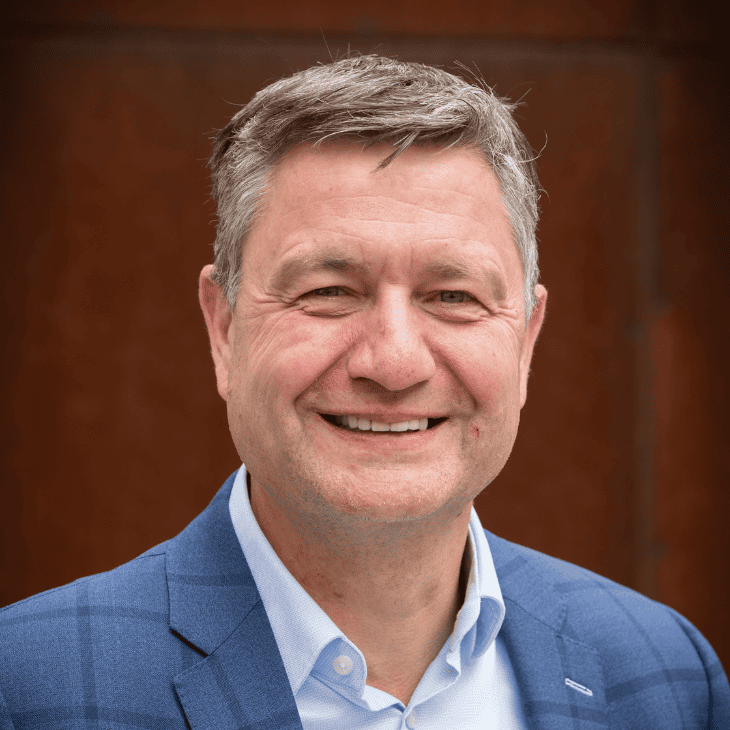
Prof. Yves Jorens

Faculty of Law and Criminology, Ghent University and Vice President of the ISLSSL

Prof. Barbara Kresal

Faculty of Social Work, University of Ljubljana
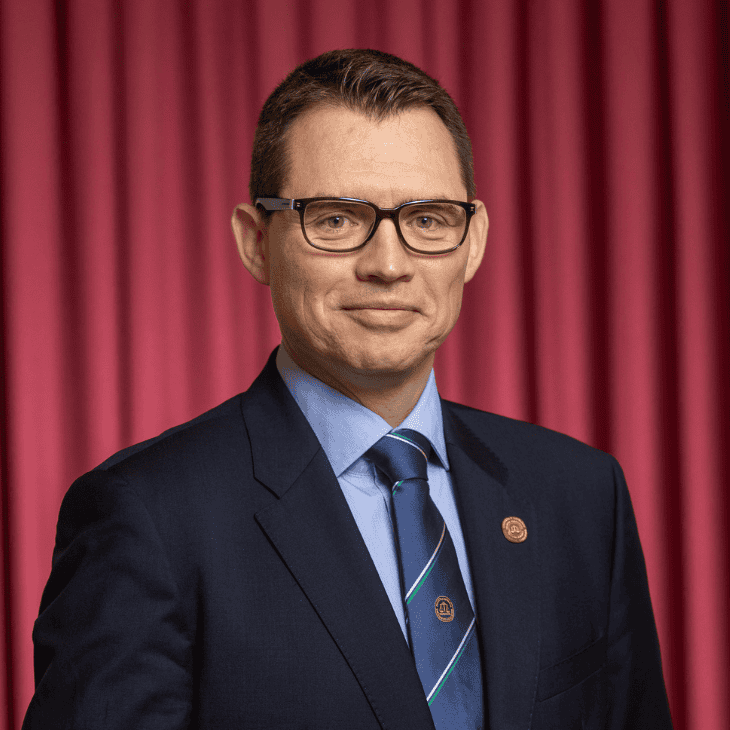
Prof. Grega Strban

Faculty of Law, University of Ljubljana, Vice President of the ISLSSL and Congress Coordinator

With the kind support of

Prof. Jean-Michel Servais

President of the ISLSSL

Prof. Jorge Cavalcanti Boucinhas Filho

Secretary-General of the ISLSSL
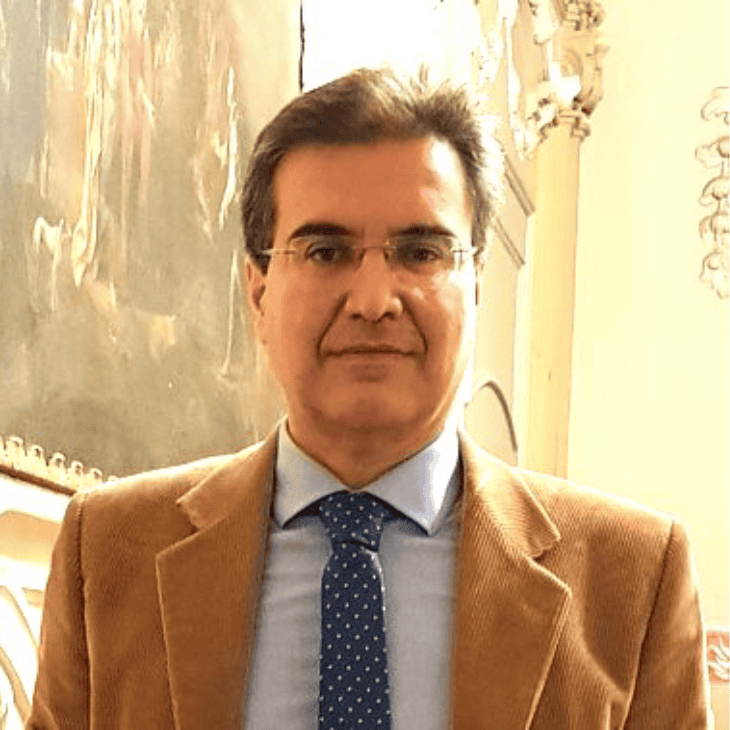
Prof. Alberto Pizzoferrato

Treasurer of the ISLSSL

Organising Committee

Teach. Asst. Sara Bagari

Faculty of Law, University of Ljubljana

Asst. Prof. Luka Mišič

Faculty of Law, University of Ljubljana

Prof. Grega Strban

Faculty of Law, University of Ljubljana, Vice President of the ISLSSL and Congress Coordinator